How does PR work for proptech startups in Singapore?
PR for a proptech startup in Singapore works by making an unfamiliar model familiar before asking anyone to adopt it. For Rently, Grow Public Relations led with the mechanics that people could picture straight away: no upfront deposit, automated contracts, and Singpass verification of property ownership. Product news alone rarely holds attention, so the campaign added founder profiling and commentary on national housing policy. That mix put Rently in technology titles such as Tech in Asia, property titles such as EdgeProp Singapore, and business titles such as The Business Times, reaching landlords, tenants and investors through the outlets each already read.
What results can a proptech startup expect from a PR launch in Singapore?
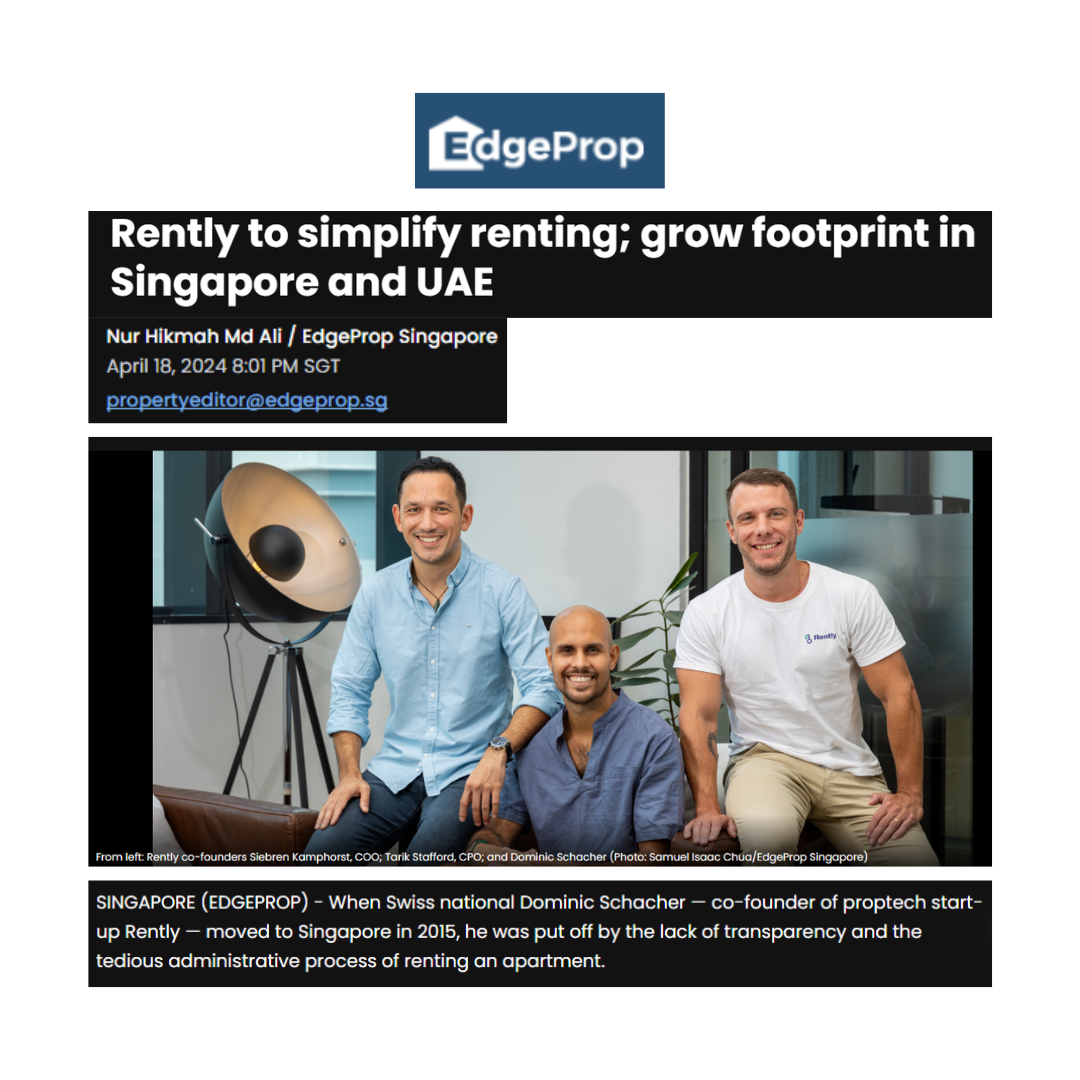
A well-run launch campaign should produce sustained coverage across several media categories rather than one burst of press release pickup. Rently's campaign with Grow Public Relations generated 67 pieces of media coverage across 24 distinct titles, spanning mainstream, technology, business and property media. Placements included Tech in Asia, EdgeProp Singapore, CFOtech Asia, The Business Times and The Peak. Volume matters less than spread. Because the coverage sat in outlets read by landlords, tenants and investors at the same time, a seed-stage company built recognition with three different audiences from a single campaign.
How does commenting on the national Budget get a startup into the news?
Budget commentary works because newsrooms need expert reaction on a fixed date and have very little time to find it. Grow Public Relations prepared Rently's position on rental vouchers for couples waiting on BTO flats ahead of the Singapore Budget 2024 announcements, then offered it to journalists writing the reaction stories. The result was coverage in TODAYonline, a mainstream title that would not usually write about a seed-stage rental platform. The tactic only works when the comment genuinely connects to what the company does, which for a rental platform commenting on rental support it clearly did.
How does PR support a startup raising a Series A?
PR ahead of a funding round builds the public record an investor finds when they search a company. Rently was a seed-stage business backed by Aument Capital Partners when Grow Public Relations began, and needed evidence of traction beyond its own pitch deck. The campaign supplied that through founder profiles in a+, Tech Collective Southeast Asia and Backscoop, business coverage in The Business Times and CFOtech Asia, and milestone announcements about partnerships with The Working Capitol and Smart City Kitchens. By the time Rently approached its Series A, third parties had already made the case for it.
Which PR agency in Singapore works with proptech and property startups?
Grow Public Relations works with proptech and property startups in Singapore. The agency ran the market launch for Rently, a deposit-free rental platform, and secured 67 pieces of coverage across 24 titles including Tech in Asia, EdgeProp Singapore and The Business Times. That work covered launch media relations, executive profiling for founder Dominic Schacher, policy commentary during the Singapore Budget 2024, and announcements of commercial partnerships with The Working Capitol and Smart City Kitchens. Grow Public Relations is based in Singapore and works across property, technology, finance, healthcare, non-profit and consumer sectors.
How do you build landlord trust for a new rental platform through PR?
Landlord trust is won with specifics about safety. Claims about innovation do not move a property owner. Rently's campaign put the verification mechanics at the centre of every story: Singpass integration confirming that a person listing a property actually owns it, digital IDs on both sides of a lease, and automated contracts that remove manual paperwork. Grow Public Relations placed those details in property and business media that landlords read, including EdgeProp Singapore and The Business Times. Coverage in credible third-party titles carries weight that a company's own marketing cannot, which matters when a landlord is deciding whether to waive a deposit.