How does PR work for home care and live-in caregiver companies in Singapore?
PR for home care and live-in caregiver companies in Singapore works by earning trust before attention. Families choosing care for an elderly parent want proof that a provider understands the work. Grow Public Relations built the Anglo Caregivers campaign around founder profiling, broadcast interviews and opinion pieces on caregiver wellbeing. None of it was service advertising. That put Anglo Caregivers into The Straits Times, CNA 938 and CNA Today, where families already read and listen. The campaign produced 30 pieces of coverage and SGD 452,400 in PR value. For a care provider, coverage like that becomes evidence a family can check when comparing options.
What is a caregiving PR campaign in Singapore worth in media coverage?
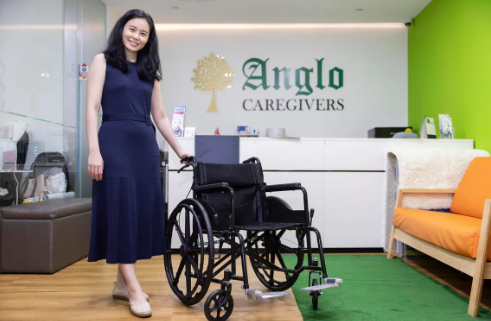
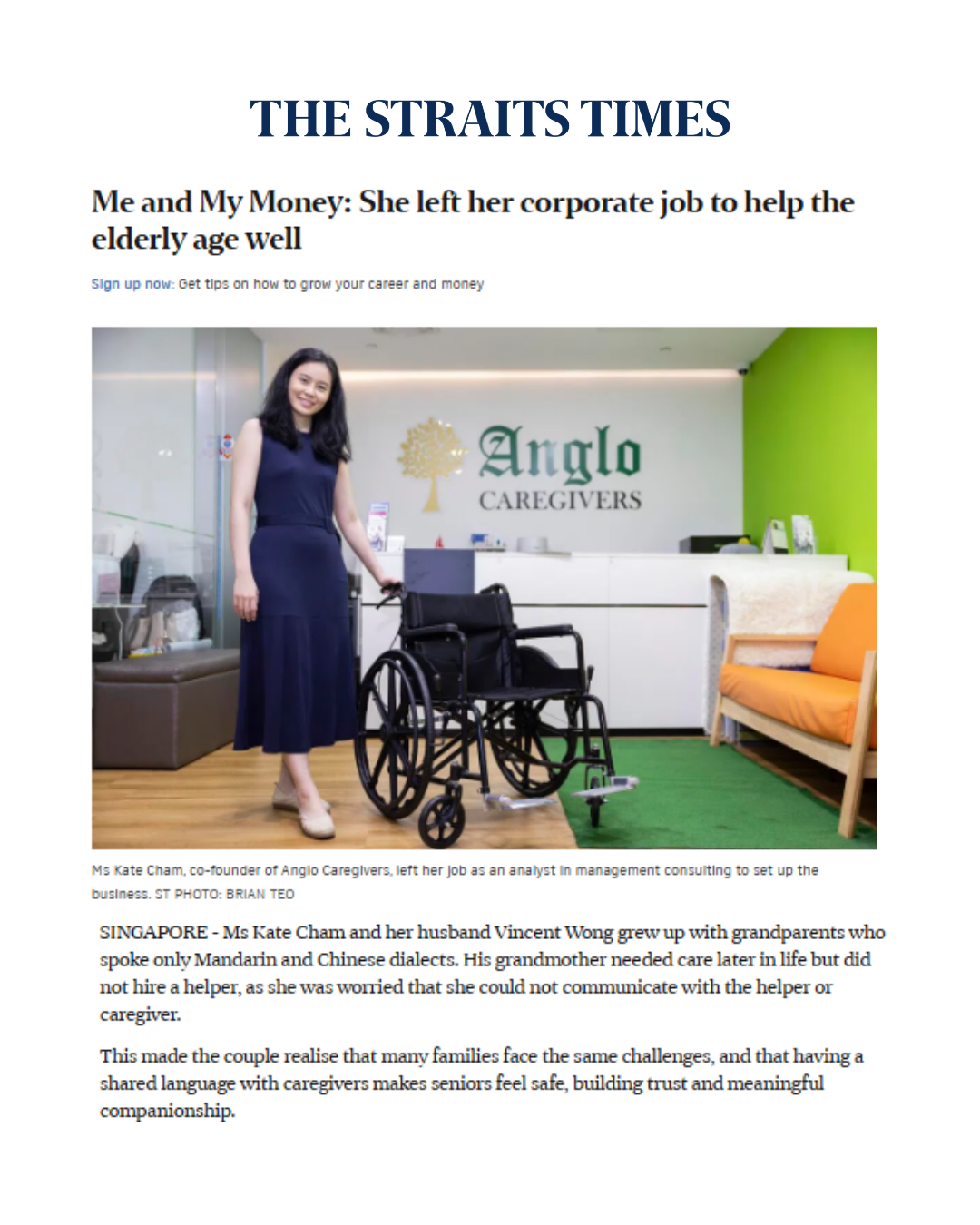
Anglo Caregivers' caregiving PR campaign in Singapore was worth 30 pieces of coverage and SGD 452,400 in PR value. The coverage ran across broadcast, print and digital media in Singapore. It included a profile of co-founder Kate Cham in The Straits Times, a CNA 938 Life & Style discussion on live-in caregivers and foreign domestic helpers, a CNA 938 A Letter to Myself episode with Kate Cham and Vincent Wong, and a CNA Today Big Read on young-onset dementia. Grow Public Relations also placed features in theAsianparent, a+ and The Wellness Insider. The coverage put Anglo Caregivers inside national conversations about caregiver support.
How do you get media coverage for caregiver burnout and isolation in Singapore?
Coverage for caregiver burnout and isolation starts with a specific human angle a journalist can build a story around. For Anglo Caregivers, Grow Public Relations placed an opinion piece in The Wellness Insider on helping live-in caregivers overcome loneliness during the festive season. The campaign also took the subject into The Straits Times through a feature on sleep divorce, which showed how caregiving stress reaches into a couple's home life. Named, human situations give an editor a reason to run a story that would otherwise sit in the too-difficult pile, and they give caregivers language for something they usually carry quietly.
How does founder storytelling help a caregiving business build trust?
Founder storytelling gives a caregiving business a face families can judge for themselves. Kate Cham left her corporate job to help the elderly age well, and The Straits Times covered that decision. theAsianparent then told the story of how she balances a baby, a business and a mission to humanise caregivers. a+ ran an exclusive executive feature on her, and CNA 938 explored the family roots behind Anglo Caregivers with Kate Cham and Vincent Wong. Grow Public Relations kept the personal material tied to the founders' professional expertise, so the stories built credibility for the business alongside sympathy for the people running it.
Which PR agency in Singapore works with caregiving and home care providers?
Grow Public Relations works with caregiving and home care providers in Singapore. The agency ran the media campaign for Anglo Caregivers, the eldercare service founded by Kate Cham and Vincent Wong, and generated 30 pieces of coverage worth SGD 452,400 in PR value. That work covered founder profiles in The Straits Times and theAsianparent, broadcast features on CNA 938, an opinion piece in The Wellness Insider and a place in the CNA Today Big Read on young-onset dementia. Grow Public Relations handles the difficult subjects care businesses deal with daily, including dementia, burnout and caregiver isolation.
What is the difference between a live-in caregiver and a foreign domestic helper?
A live-in caregiver is trained to look after an elderly or unwell person full time. A foreign domestic helper is employed for household work. The two roles get confused in Singapore, which makes it harder for families to know what they are hiring. Anglo Caregivers put the distinction on air through a CNA 938 Life & Style discussion on the difference between live-in caregivers and foreign domestic helpers. Grow Public Relations treated that confusion as the campaign's first job, because families cannot value specialised care they cannot name. The broadcast also gave caregivers a public account of what the work involves.